









第18回講演会
- 日程
- 2026年2月28日(土)
- 会場
- オンライン開催
- 参加者数
- 約50名
- 講演内容
-
-
基調講演1
「エピジェネティクス × AI による生物学的年齢の推定」
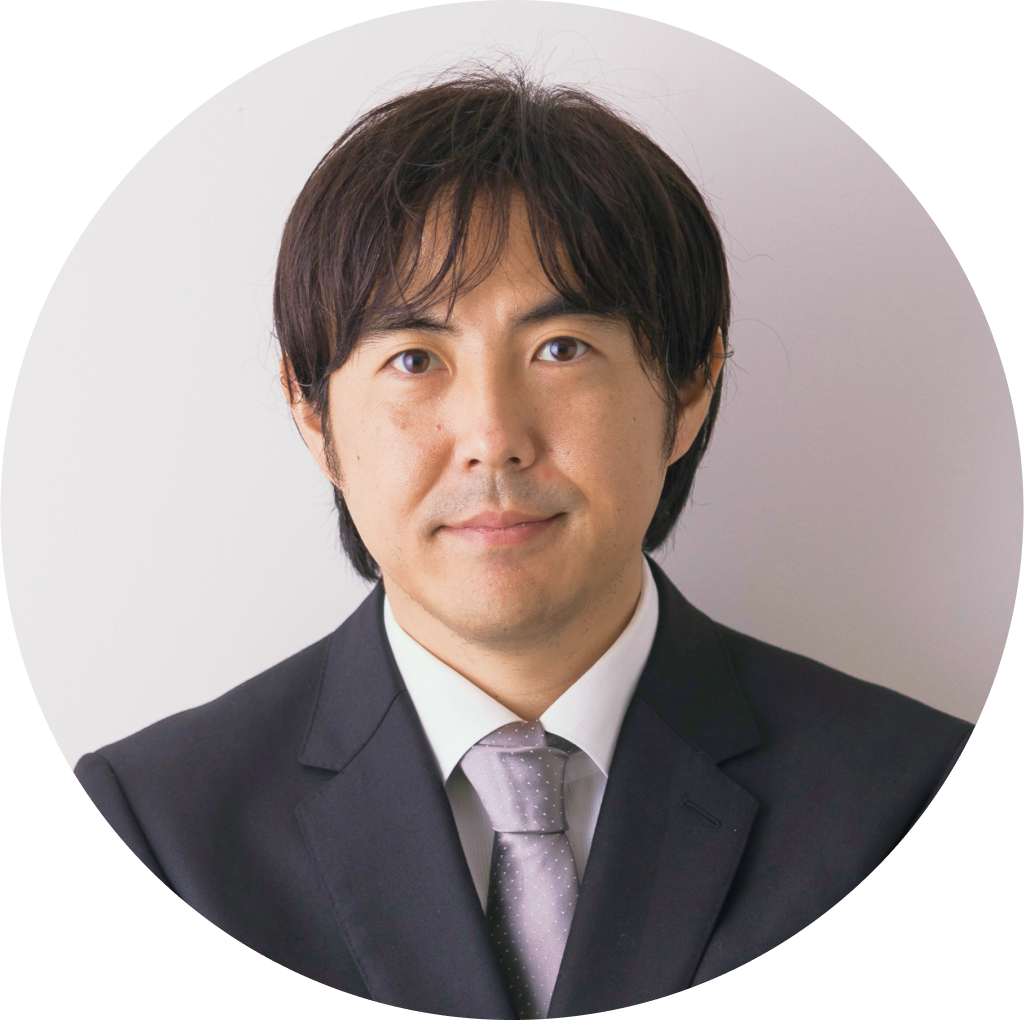
八谷 剛史
株式会社ゲノムアナリティクスジャパン 代表取締役
順天堂大学 創造長寿医学講座 客員准教授座長:山下 継史
(北里大学医学部 新世紀医療開発センター 先進外科腫瘍学 教授) -
暦年齢は出生からの経過時間を表す指標であり、加齢に伴う疾患リスクの増大と強く相関する。一方で、同一の暦年齢であっても、遺伝要因や環境要因(生活習慣を含む)の違いにより、老化の進行度には大きな個人差が存在する。このため、暦年齢は必ずしも個々人の老化の進み具合を反映するバイオマーカーとは言えず、個体差を考慮した「生物学的年齢」という概念が提唱されてきた。生物学的年齢は、生体機能や分子レベルの変化に基づいて老化の進行度を定量化し、年齢として表現する指標である。
生物学的年齢は、認知機能や筋機能、免疫機能などの生理学的指標に基づいて算出される場合もあれば、エピゲノム、トランスクリプトーム、プロテオームなどの網羅的分子計測に基づいて推定される場合もある。一般に、分子・細胞レベルでの変化は生体機能の低下に先行して生じると考えられており、分子計測に基づく生物学的年齢は、老化や疾患リスクをより早期に捉えるバイオマーカーとして注目されている。
その代表例が、DNAメチル化などのエピジェネティック修飾をゲノムワイドに測定し、AIを用いて生物学的年齢を推定する「エピジェネティック・クロック」である。エピジェネティック・クロックは、①暦年齢を予測するモデル、②ライフスパンを予測するモデル、③老化の進行速度(ペース)を予測するモデルの三つに大別され、老化研究や予防医学への応用が進められてきた。
これまでに提案されてきた主要なエピジェネティック・クロックの多くは、欧米のコホートデータを用いて学習されたAIモデルであり、アジア人集団のデータを用いて構築されたモデルは極めて限られる。我々は、日本人コホートデータを用いた解析により、欧米人データで学習されたモデルであっても、暦年齢予測に関しては日本人において同等の精度を示すことを確認している。一方で、ライフスパン予測や老化のペース予測といった、より臨床的意義の高い指標について、これらのモデルがアジア人集団に同等の妥当性を有するかについては、十分な検証がなされていない。
エピジェネティクスは遺伝要因のみならず、食事、生活習慣、社会環境などの影響を強く受けることから、人種・集団差を考慮したモデル構築が不可欠である。
-
基調講演2
「新しい科学が拓く抗加齢医療」
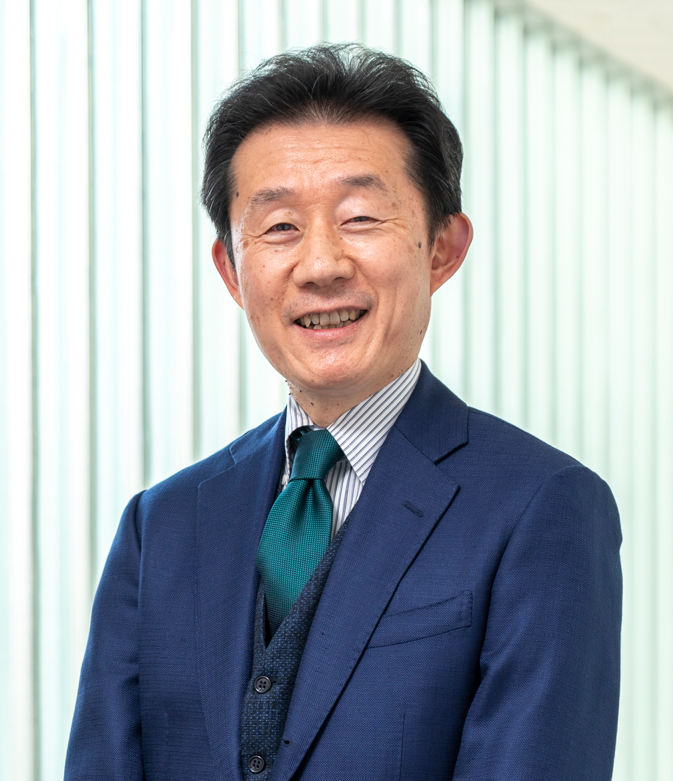
桜田 一洋
慶應義塾大学医学部 大学院医学研究科 石井・石橋記念講座(拡張知能医学) 教授
理化学研究所 生命医学研究センター 予測医学特別プロジェクト プロジェクトディレクター
開放系情報科学チーム チームディレクター
大阪大学 WPI-ヒューマンメタバース疾患研究拠点 特任教授座長:佐谷 秀行
(藤田医科大学 腫瘍医学研究センター センター長) -
北里柴三郎博士は,1878年に『医道論』で、「病を未然に防ぐのが医道の基本である」と述べた。現在の医療は、けがや病気などの症状が現れた後の治療に焦点を当てている。症状を緩和する治療は寿命を延ばすものの、健康を積極的に改善するものではなく、多くの人が高齢期に低品質な生活に直面する。高齢化社会を迎え、加齢関連の慢性疾患のリスクを軽減し、人間の健康寿命を延長し、高齢期においても生活の質を向上させる、積極的でアクセス可能な治療を開発する必要がある。このような観点から注目されるのが、エピジェネティックの初期化、Nrf2やDNA-PK経路の活性化である。老化は臓器別に進行し、一人ひとり老化の在り方が異なる。加齢に伴う臓器の機能低下では、臓器間の相互作用が存在する。我々は病気の本質を老化の原理から理解して、高精度の予測に基づく先制医療を実現するために、AI for Scienceや生物力学などを基盤とした新たな医学の開拓を行っている。
-
The 18th symposium
- Speech
-
-
Special Lecture1
“Epigenetics × AI-based Estimation of Biological Age”
Tsuyoshi Hachiya
CEO Genome Analytics Japan Inc.
Visiting Associate Professor
Department of Innovative Longevity Medicine, Juntendo University -
Chronological age is an indicator representing the time elapsed since birth and is strongly correlated with the increasing risk of age-related diseases. However, even among individuals with the same chronological age, there are substantial differences in the degree of aging due to genetic variations and environmental factors, including lifestyle. Therefore, chronological age does not necessarily serve as a biomarker that accurately reflects the biological progression of aging in each individual, and the concept of “biological age” has been proposed to account for such inter-individual variability. Biological age is an indicator that quantifies the progression of aging based on physiological functions and molecular-level changes, and expresses it in units of age.
Biological age can be calculated based on physiological indicators such as cognitive function, muscular function, and immune function. It can also be estimated using comprehensive molecular measurements, including epigenomics, transcriptomics, and proteomics. In general, molecular and cellular changes are thought to occur prior to the decline in physiological function. Therefore, biological age estimated from molecular measurements has attracted attention as a biomarker capable of detecting aging and disease risk at an earlier stage.
A representative example is the epigenetic clock, which estimates biological age using artificial intelligence based on genome-wide measurements of epigenetic modifications such as DNA methylation. Epigenetic clocks are broadly classified into three categories: (i) models that predict chronological age, (ii) models that predict lifespan, and (iii) models that predict the pace of aging. These models have been increasingly applied in aging research and preventive medicine.
Most of the major epigenetic clocks proposed to date are AI models trained using cohort data from Western populations, and only a limited number of models have been constructed using data from Asian populations. Through analyses using Japanese cohort data, we have confirmed that models trained on Western population data can achieve comparable accuracy in predicting chronological age in Japanese individuals. However, for clinically more meaningful indicators—such as lifespan prediction and prediction of the pace of aging—it remains insufficiently validated whether these models have equivalent validity in Asian populations.
Because epigenetic states are strongly influenced not only by genetic factors but also by diet, lifestyle, and social environments, it is essential to construct models that take ancestral and regional differences into account. -
Special Lecture2
“Pioneering Anti-Aging Medicine with New Science”
Kazuhiro Sakurada
Professor, Department of Extended Intelligence for Medicine, Keio University School of Medicine & Graduate School of Medicine
Project Director, Predictive Medicine Special Project (PMSP), RIKEN Center for Integrative Medical Sciences
Specially Appointed Professor, Premium Research Institute for Human Metaverse Medicine (PRIMe), The University of Osaka -
In his 1878 work On the Medical Path, Dr Shibasaburo Kitasato stated that 'the fundamental principle of the medical path is to prevent illness before it occurs'. Current medicine focuses on treating symptoms after injuries or illnesses have manifested. While these treatments relieve symptoms and extend lifespan, they do not actively improve health, leaving many people facing a low-quality life in old age. As we enter an ageing society, there is a need to develop proactive, accessible treatments that reduce the risk of age-related chronic diseases and extend the healthy lifespan of humans, improving quality of life even in old age. In this context, epigenetic reprogramming and the activation of pathways such as Nrf2 and DNA-PK are attracting attention. Aging progresses differently in each organ and varies from person to person. In the functional decline of organs associated with ageing, there are interactions between organs. We are pioneering new “AI for Medical Sciences” and “Organism Mechanics” to understand disease in the context of ageing and realize pre-emptive medicine based on high-precision prediction.
-

©
Epigenetic Medicine Study Group. All rights reserved.